As early as 1853, biodiesel has been made from used vegetable oil. Nowadays, engineers have figured out how to use biodiesel to power cars and even airplanes. By chemically reacting lipids with an alcohol, anyone can make their own biodiesel. Many fast food restaurants that use oil to fry their food are willing to give away the used oil. Because restaurants have to pay to get rid of the used oil, it is easy for anyone to get a hold of large amounts of oil. After a process called transesterification, you are left with a layer of biodiesel and a layer of glycerin. This glycerin can be used to make a variety of soaps and candles while the biodiesel can be used for fuel. Hooray for economically friendly biproducts! Below is a link to a Youtube video where you can learn how to make your own biodiesel.
http://www.youtube.com/watch?v=ramY_M_z4pk
Wednesday, November 20, 2013

Monday, November 4, 2013
Community Gardens
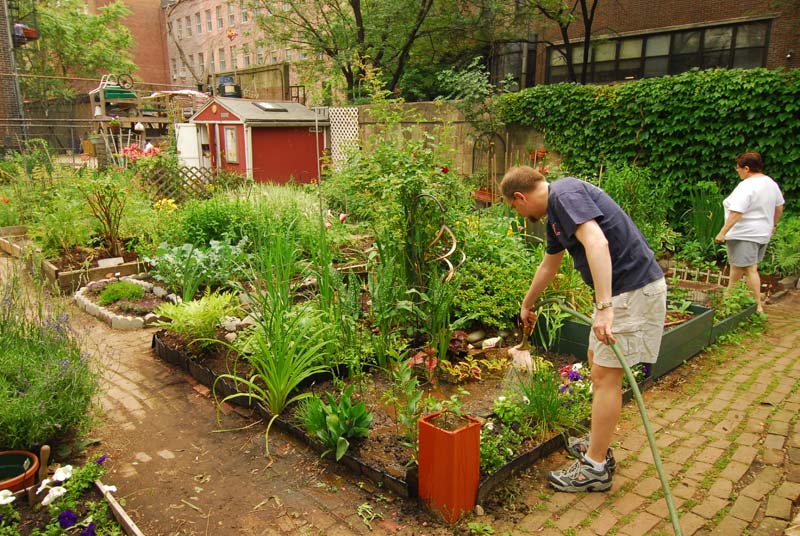
A garden is an extremely important part to the success of a community. Not only are these gardens used to grow vegetables and herbs, they are also a place of communication. People can come to the community gardens to socialize and get to know others within the city or town. The garden provides people will a common topic to talk about. Normally, these gardens are also beautiful. Having a section of the city dedicated to green, vegetable producing plants, increases the beauty of the city. The vegetables produced at these gardens is much healthier than any that could be bought at a store. Growing your own food ensures the best quality produce possible. The best part of having a community garden is the positive effect it has on the environment. Plants take carbon dioxide that humans exhale, and through photosynthesis, transform it into oxygen. Community gardens create an abundance of fresh oxygen that we get to breathe. I think this trend will continue to grow throughout the United States. Soon every town will have a garden that anyone can be a part of and make a difference.
12 Soils of the World-and Georiga
If you were to ask a common person about how many types of soil there are in the world, most would say only a few. However, there are 12 major soil types throughout our planet. The following link will bring to you to a website that maps out each type of soil and its properties. The following diagram is a map of the 12 soil types around the world and how they are dispersed.
http://www.cals.uidaho.edu/soilorders/

The soil type of Georgia is mainly ultisols, a redish clay soil. The red comes from oxidized iron in the soil. Because of the amount of iron in the soil, it is hard to grow certain plants. This type of soil is also known to stain clothing and cover cars that drive on it.
A micaceous schist is simply a schist rock with more mica. This rock is metamorphic which means it was transformed by extreme pressure and heat to create a new rock. The mica makes the rock especially sparkly and seem like it has glitter in it. The picture below is what a micaceous schist looks like.

Subscribe to:
Comments (Atom)